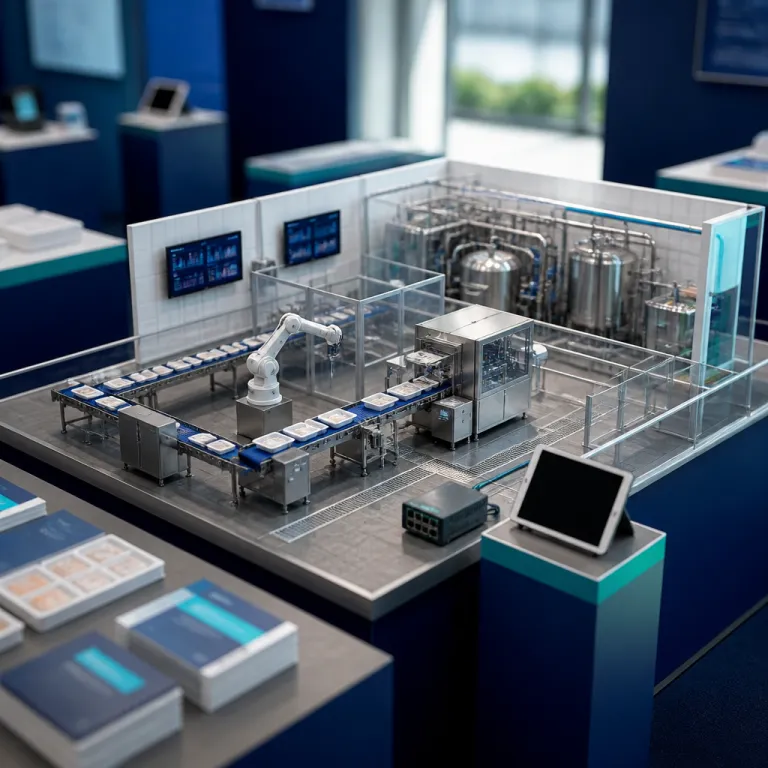
Why 食品工場Week 2026 フードテック 自動化 matters for CIOs and DX leaders
食品工場Week 2026 フードテック 自動化 is no longer just a food technology trade fair; it has become an operating system review board for Japan’s food industry. For CIOs and CDOs in manufacturing, automotive and robotics, this event compresses three years of vendor meetings into a few days, with Osaka and Tokyo exhibitions functioning as a dual center for regional and global food supply chains. According to recent organiser summaries and published visitor statistics, the Tokyo edition has drawn on the order of 16,000 visitors while Osaka has exceeded 7,000 attendees, which signals that the main content now targets decision makers who own both IT budgets and plant investment plans.
At its core, 食品工場Week 2026 フードテック 自動化 is where food industry automation, MES (Manufacturing Execution System) roadmaps and plant hygiene strategies are negotiated in the same hall, not in separate silos. That structure matters because automatic machine investments for high performance packaging lines only pay off when the surrounding system — from ERP to quality management — is architected as one coherent stage. For information systems leaders, the event’s highlights are not the number of booths but the density of qualified conversations that can link corporate DX strategy with concrete products, implementation partners and future food operating models.
The exhibition is held twice a year in Osaka and Tokyo, allowing companies to align visits with their own budget and mid term planning cycles. Osaka tends to surface more regional food manufacturers and smaller robotics suppliers, while Tokyo concentrates global companies and platform vendors that shape future food and global food logistics. For CIOs managing multiple plants, this split creates a clear choice of which area to prioritize first, and whether to send different équipes to each venue to cover both innovation scouting and late stage vendor shortlisting.
How the exhibition areas structure your DX and automation agenda
The show floor of 食品工場Week 2026 フードテック 自動化 is divided into problem oriented zones, which is far more useful for DX leaders than traditional product based layouts. IoT and AI areas concentrate sensor platforms, edge computing gateways and analytics systems that turn raw food production data into actionable KPIs for line balancing and predictive maintenance. Nearby, robotics and automatic machine zones present collaborative robots, AGVs and high performance picking systems designed for wash down environments specific to the food industry.
Another hall focuses on hygiene, HACCP compliance and foreign object detection, where vendors show integrated system architectures that connect inspection machines, sanitation records and traceability databases. This is where food innovation meets governance, because future food brands will be judged as much on transparent data trails as on taste or packaging design. For CIOs, the highlights here are not only the products themselves but the clarity with which vendors can explain how their content, APIs and data models link into existing MES or ERP platforms.
併催セミナーでは、「自動化導入により生産効率が20%向上し、コスト削減と品質向上を実現」といった事例が公式サイトや出展社資料から紹介され、単なる機械カタログでは見えない運用のリアリティが共有される。 These sessions resemble the biomedical ecosystem debates seen at ICBES style conferences, but translated into the language of food industry risk and plant uptime. For DX leaders, the main content of these talks becomes a checklist for what to ask on the exhibition floor, from integration lead times to cybersecurity controls on production networks.
Designing a visit strategy: from corporate priorities to booth level agendas
Effective use of 食品工場Week 2026 フードテック 自動化 starts several weeks before you enter the hall, with a brutally honest mapping of your plant level constraints and corporate DX roadmap. CIOs should first classify their factories by automation maturity, hygiene risk and workforce demographics, then translate these into three or four top themes such as “automatic case packing”, “HACCP data integration” or “global food traceability”. This exercise clarifies which exhibition area deserves the most time and which companies must be treated as strategic partners rather than casual booth visits.
Once priorities are set, the official exhibitor list becomes a planning dataset rather than a marketing brochure, and you can tag vendors by system layer — machine, control, MES, cloud — and by expected impact on high performance operations. Here, insights from the strategic evolution of B2B events in manufacturing and robotics are directly applicable, especially the shift from hardware centric pitches to lifecycle service models. For each shortlisted exhibitor, define a clear question set that links their products to your architecture, such as how their system handles multi plant data harmonization or how their content formats align with your existing analytics stack.
On site, treat each hall as a stage in a structured evaluation process rather than a random walk through food innovation showcases. Start in the automation and robotics area to benchmark machine capabilities and automatic handling concepts, then move to software and MES zones to validate how these assets will be orchestrated in real time. Reserve the hygiene and quality center for the second half day, when your équipe has already internalized the constraints of future food production and can challenge vendors on how their solutions scale across multiple factories and international regulations.
Food manufacturing specifics: HACCP, foreign object control and labor saving lines
Unlike generic manufacturing fairs, 食品工場Week 2026 フードテック 自動化 is built around the non negotiable realities of food safety, which fundamentally shape automation design. HACCP compliance, allergen control and foreign object detection are not side topics; they define the envelope within which any machine, conveyor or inspection system must operate. For CIOs, this means that system architecture decisions must integrate hygiene data, cleaning cycles and audit trails as first class objects, not as afterthoughts bolted onto production reports.
In the hygiene area, you will find high performance X ray and metal detection machines, vision systems and cleaning robots that can operate in wet, chilled or high humidity environments typical of the food industry. The most relevant exhibits show how these devices feed structured content into central databases, enabling clear traceability from raw material intake to finished products and even to returned goods in global food supply chains. When evaluating vendors, ask how their system handles false positive rates, how they link inspection data with MES events and how they support long term retention of records for export markets.
Labor saving lines are another defining theme, with automatic case packers, palletizers and collaborative robots designed to reduce dependence on scarce human operators while maintaining flexibility for future food SKUs. Here, the highlights are integrated cells where machine builders, sensor suppliers and software companies present unified solutions rather than isolated components. For DX leaders, the question is not whether a single robot can run fast, but whether the overall stage — from upstream batching to downstream labeling — can be reconfigured quickly as product portfolios and regulatory demands evolve.
From exhibition hall to PoC: building a disciplined evaluation pipeline
The real value of 食品工場Week 2026 フードテック 自動化 emerges after the event, when impressions from the hall are converted into a structured pipeline of proofs of concept. CIOs should treat every promising machine, system or service as a hypothesis about future food operations, to be tested against clear metrics such as throughput, defect rates and cleaning time. A simple but effective framework is to classify opportunities into three tiers — quick wins, strategic bets and watch list — based on expected ROI, integration complexity and alignment with corporate food innovation goals.
For each shortlisted vendor, create a one page summary that captures not only technical specifications but also organizational fit, including the vendor’s experience with the food industry and their ability to support multi site rollouts. This document should link exhibition highlights, such as live demos of automatic changeovers or high performance wash down designs, with concrete PoC scenarios in your own plants. In many cases, the main content of that summary will be less about the products themselves and more about the vendor’s willingness to share data, adapt interfaces and co design solutions with your internal équipe.
Once PoC candidates are selected, define a standard evaluation template that covers safety, hygiene, cybersecurity and lifecycle costs, and apply it consistently across all projects. This disciplined approach prevents the exhibition from turning into a collection of disconnected gadgets and instead builds a coherent roadmap toward a more global food capable production network. For CIOs, the ultimate test of 食品工場Week 2026 フードテック 自動化 is whether the link between what was seen on stage and what is running in the factory one year later is clear, measurable and aligned with corporate strategy.
Positioning 食品工場Week within your broader B2B event portfolio
For Japanese manufacturers that straddle food, automotive and robotics businesses, 食品工場Week 2026 フードテック 自動化 should be positioned as the primary event for plant level automation and hygiene, not as a generic innovation showcase. Retail and mixed use strategy conferences such as Interface Retail Austin inform how future food products reach consumers, but they do not replace the deep technical content found in this exhibition’s automation halls. Similarly, horizontal technology events may highlight AI or cloud trends, yet they rarely address the constraints of wash down robotics, allergen segregation or HACCP compliant data retention.
From an annual planning perspective, CIOs should align 食品工場Week with other sector specific events to create a balanced portfolio that covers strategy, technology and operations. One effective pattern is to use spring or early summer conferences for high level innovation scanning, then leverage the Osaka and Tokyo editions of this show for concrete vendor engagement and system level benchmarking. This sequencing ensures that by the time you walk into the hall, your équipe already has a clear view of corporate priorities and can focus on high impact conversations rather than casual browsing of products.
Finally, treat the exhibition as a recurring stage in a multi year transformation program, where each visit advances specific themes such as MES consolidation, robotics standardization or global food traceability. Track which companies you meet across editions, how their system roadmaps evolve and whether their promises translate into deployed solutions with measurable results. In a market where marketing language often obscures operational reality, the most reliable signal remains unchanged: choose events not by booth count, but by the density of commercially meaningful discussions they enable.
Key figures and structural facts about 食品工場Week
- The Tokyo edition of 食品工場Week recently recorded more than 16,000 visitors, indicating strong nationwide demand for food industry automation and DX solutions, based on organiser statistics and ALOHA Exhibition Portal style summaries that aggregate event data.
- The Osaka edition attracted over 7,000 visitors in the previous cycle, showing that the Kansai area functions as a significant center for regional food manufacturers and equipment suppliers within the broader global food ecosystem.
- The event is held twice annually in Tokyo and Osaka, which allows companies to align attendance with their own budgeting cycles and staged investment plans in automatic machines and high performance systems across multiple plants.
- Officially presented case studies suggest that robot based automation projects showcased at the exhibition have achieved around 20 percent productivity gains in selected plants, combining cost reduction with improved quality in real food factory environments, though actual results vary by line configuration and baseline performance.
- HACCP oriented hygiene management systems presented at the show have in some reported projects demonstrated up to 50 percent reductions in foreign object contamination rates, directly reinforcing consumer trust in future food brands when combined with robust training and governance.
FAQ about 食品工場Week 2026 フードテック 自動化
Who should attend 食品工場Week 2026 フードテック 自動化 from the IT side ?
The event is most valuable for CIOs, CDOs, information systems managers and DX leaders who are directly responsible for plant systems and automation strategy. It is also relevant for cybersecurity leads and data architects who must integrate machine data, MES and cloud analytics across multiple factories. Sending a small, cross functional équipe with both IT and production engineering expertise yields the clearest outcomes.
How is 食品工場Week different from general manufacturing or robotics fairs ?
食品工場Week focuses specifically on the food industry, where hygiene, HACCP compliance and foreign object control impose unique constraints on automation and system design. Exhibitors present machines, systems and products that are engineered for wash down environments, allergen management and traceability, which general manufacturing fairs rarely address in depth. For food manufacturers, this specialization makes the exhibition a more reliable source of applicable solutions and realistic benchmarks.
What preparation is recommended before visiting the exhibition halls ?
Companies should first clarify their top three to five plant level challenges, such as labor shortages on packaging lines, inconsistent hygiene records or fragmented MES landscapes. Based on these priorities, CIOs can shortlist relevant exhibitors, map them to specific halls and areas, and prepare structured question lists that link technical features to business outcomes. This preparation turns the visit into a targeted evaluation exercise rather than an unstructured tour of innovation showcases.
How can we turn exhibition contacts into concrete PoC projects ?
Immediately after the event, consolidate notes and business cards into a central database, tagging each vendor by use case, system layer and expected impact on high performance operations. For the most promising options, draft concise PoC proposals that define scope, success metrics, data requirements and evaluation timelines, then secure internal sponsorship from both IT and production leaders. Applying a common evaluation template across all PoCs ensures comparability and supports disciplined investment decisions.
Is 食品工場Week useful for companies with global food operations ?
Yes, because many exhibitors design systems and machines for export markets and can address international standards, multilingual interfaces and cross border traceability requirements. The exhibition offers a concentrated view of how Japanese and overseas companies are aligning automation, hygiene and data governance for global food supply chains. For firms operating plants in multiple countries, this makes the event a practical venue to benchmark solutions that can scale beyond Japan.