Why Japan IT Week 秋 2026 CIO DX展示会 still matters for CIOs
Japan IT Week秋2026 will again position the Japan IT Week 秋 2026 CIO DX展示会 as the largest autumn DX marketplace for enterprise buyers. For a CIO or CDO who has walked the same Makuhari Messe halls for years, the repetition of similar display technologies and familiar vendor logos can make the event feel like a black tunnel with no new light. Yet when 780 exhibitors and around 30,000 visitors converge under one roof, the density of potential business decisions, from core system integration to high level security architecture, is simply too high to ignore.
The structural problem is not the event itself but how many IT leaders start their day there without a sharp hypothesis about what must change in their own technology stack. They drift from one Japan IT Week 秋 2026 CIO DX展示会 booth to another, reading glossy panels about artificial intelligence, healthcare platforms, or emergency response systems, but leaving with only food for thought rather than concrete next steps. This is how exhibition fatigue grows ; time is consumed, business cards accumulate, yet the network of actual projects and signed statements of work barely expands.
To turn Japan IT Week 秋 2026 CIO DX展示会 into an investment, CIOs need to treat it as a compressed strategy offsite rather than a trade show. That means entering Makuhari Messe with three clearly ranked technology questions, such as how to raise the speed of data integration between medical subsidiaries, how to harden security in a hybrid cloud, or how to embed artificial intelligence into customer care workflows. When the purpose is framed this way, every booth visit, every high level keynote, and every side meeting becomes a test of fit, not a casual stroll between black white or white black design concepts on oversized screens.
A three question framework to defeat exhibition fatigue
For CIOs who feel that Japan IT Week 秋 2026 CIO DX展示会 has become a ritual, the first discipline is ruthless prioritization. Before you even read the exhibitor list, define three non negotiable transformation themes that will shape your organisation’s future, such as end to end system integration, zero trust security, or data driven healthcare analytics. Each theme should connect directly to a quantified business outcome, whether shorter emergency response time in a medical group, higher care quality scores in a network of clinics, or faster order processing in a food logistics chain.
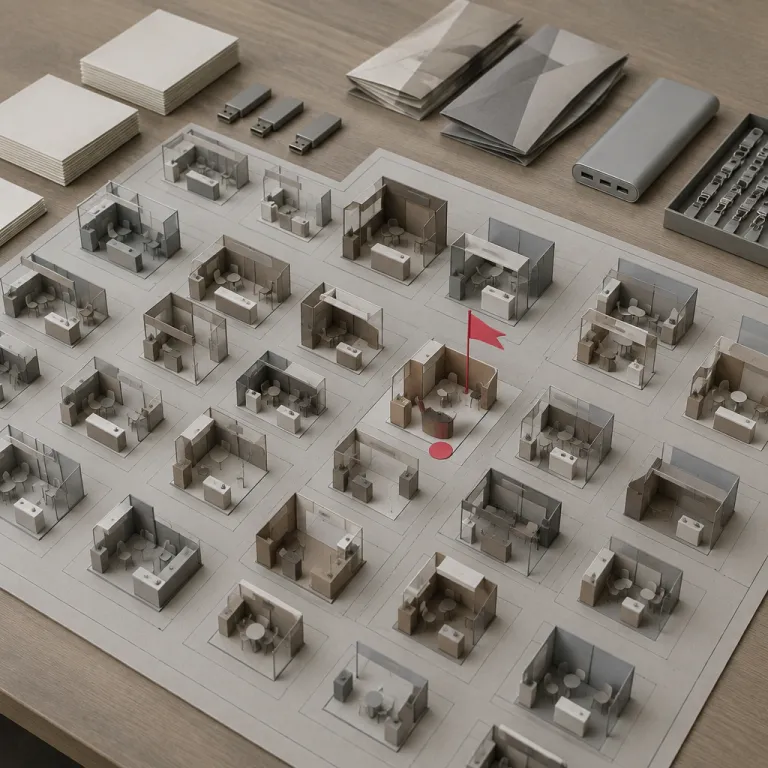
Once these three questions are fixed, the exhibitor catalogue of Japan IT Week 秋 2026 CIO DX展示会 stops being a random directory and becomes a filter. You can shortlist perhaps ten vendors per theme, focusing on those with clear asia pacific references, verifiable years of experience, and architectures that fit your existing technology stack without forcing a disruptive rip and replace. This is also the moment to map which halls and zones you will visit in which order, so that your physical path through Makuhari Messe reflects your strategic priorities rather than the loudest display or the most crowded booth.
Section two of your preparation is to build a written question set for each shortlisted exhibitor, and this is where many Japanese enterprises still under invest. For a security vendor, you might ask about how their artificial intelligence models handle black swan events, how they integrate with your current system integration partners, and what high level service level agreements they will commit to in case of a critical incident. For a healthcare or medical platform provider, you should probe how they manage patient data care, how they support multi site operations across the asia pacific region, and how their roadmap aligns with your own digital heart of the business ; this is the type of disciplined approach also discussed in advanced CIO roundtables such as AI and CIO strategy programs.
From 780 exhibitors to 10 serious options : execution on site
When the doors of Japan IT Week 秋 2026 CIO DX展示会 finally open, the difference between a casual visitor and a prepared CIO becomes visible within the first hour. The unprepared attendee will start by following the crowd, letting the brightest display or the most aggressive sales pitch dictate their route, and they will end the day with a bag of brochures that nobody will read back at headquarters. The prepared CIO moves with purpose, using the exhibitor app like a navigation system, logging each conversation in a simple template that tracks technology fit, integration risk, and potential business impact.
At each booth, the objective is not to be impressed by high speed demos or black white dashboards, but to test how the solution behaves under your specific constraints. Ask the vendor to walk through a concrete use case, such as integrating their security platform with your existing network segmentation, or connecting their artificial intelligence engine to your healthcare data lake without compromising medical privacy. If the salesperson cannot answer, request a high level engineer or product manager on the spot ; if they still cannot provide clarity within a reasonable time, you have learned something valuable about their internal care for enterprise clients.
Japan IT Week 秋 2026 CIO DX展示会 also rewards those who look beyond their immediate category labels. A CIO responsible for a hospital group might find relevant emergency communication tools in the general business solutions zone, or a food manufacturer might identify advanced quality control technology in a healthcare imaging booth that uses similar sensors. Cross pollination is where many of the fastest growing innovations hide, and this is why some of the most effective CIOs now combine their visit with curated programs such as the CIO focused IT and DX evaluation tracks, which help structure meetings and benchmark discussions across vendors.
Turning post event follow up into a CIO level operating routine
The real ROI of Japan IT Week 秋 2026 CIO DX展示会 is determined not on the exhibition floor but in the four weeks that follow. Many organisations let this time window slip, allowing the initial sense of urgency to fade until the event becomes just another line in the years of experience section of someone’s résumé. A disciplined CIO treats the post event period as a sprint, with a clear backlog of actions, from technical deep dives to pilot project scoping, all aligned with the original three strategic questions.
Within forty eight hours of leaving Makuhari Messe, your team should have a consolidated memo that summarises every serious option identified at Japan IT Week 秋 2026 CIO DX展示会. This document should classify vendors by theme, such as security, system integration, artificial intelligence, or industry specific solutions for healthcare, medical devices, or food manufacturing, and it should rate each on technology fit, organisational chemistry, and expected business impact. Sharing this memo across your internal network, from operations leaders to finance, ensures that the heart of the company understands why certain options will move forward while others will not.
Finally, CIOs who consistently extract value from Japan IT Week 秋 2026 CIO DX展示会 institutionalise a simple governance rhythm. They schedule high level review meetings where shortlisted vendors present to cross functional stakeholders, they track the speed of decision making as a KPI, and they are not afraid to say no quickly when a solution does not fit, even if the display was impressive or the sales team was charming. For those who want a more structured benchmark of how peers run this process, specialised analyses on platforms such as B2B Insiders’ event strategy reviews can provide external reference points without falling into generic promotional narratives.
Key figures and quantitative signals around Japan IT Week秋2026
- Japan IT Week秋2026 is expected to host around 780 exhibitors at Makuhari Messe, making it one of the largest IT and DX exhibitions in Japan by exhibitor count according to the organiser’s official prospectus.
- The organiser projects approximately 30,000 visitors across Japan IT Week秋, Japan DX & AX Week, Sales & Digital Marketing Week, and EC & Store Week, which positions the combined event cluster as a central hub for enterprise technology buyers in the second half of the fiscal year.
- Japan IT Week秋 is structured into multiple specialised zones, including security, cloud and system integration, AI and business automation, and industry specific solutions, enabling CIOs to cover a broad technology spectrum within a limited time on site.
- Across recent editions of Japan IT Week, the share of exhibitors highlighting artificial intelligence or machine learning capabilities in their product descriptions has risen significantly, reflecting the rapid shift of enterprise IT budgets toward data driven automation.
- Makuhari Messe’s exhibition space for Japan IT Week秋 typically spans several halls, which requires CIOs to plan their walking routes carefully if they aim to visit more than 30 to 40 booths per day without sacrificing conversation depth.