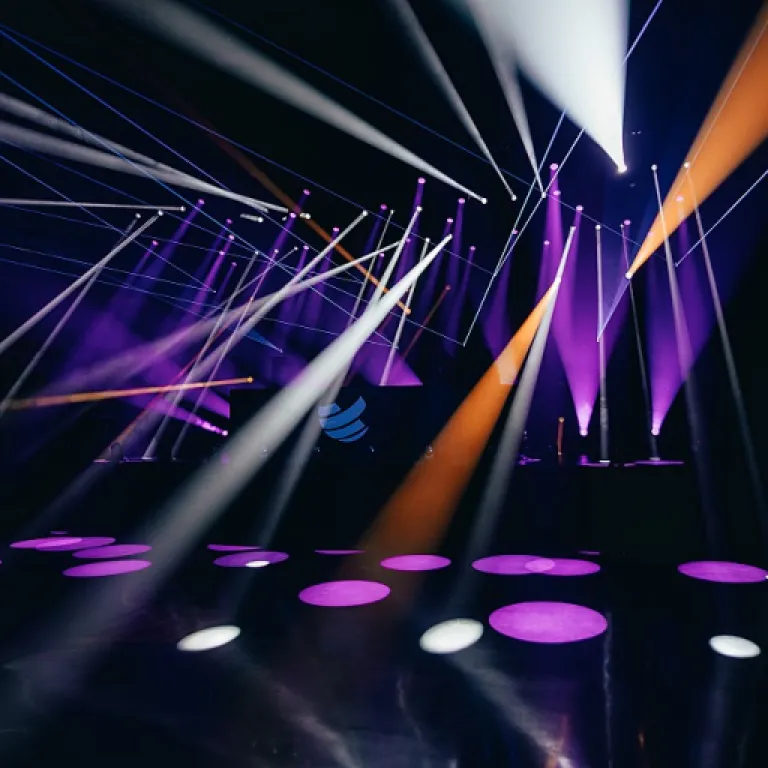
Experiential events as a strategic lever in Japan’s B2B landscape
In Japan’s B2B ecosystem, the experiential event has shifted from optional tactic to strategic lever. Experiential events now sit alongside account based marketing and sales enablement, because they generate emotional experiences that traditional formats rarely match. For professional attendees in Japan, this shift reflects a desire for events that translate complex value propositions into tangible experience.
Marketers increasingly treat every event as a live laboratory for experiential marketing, where hypotheses about audience behavior are tested in real time. When an agency and client brand co design an immersive brand journey, they can observe how attendees move, interact, and share content, then refine the next corporate event accordingly. This mindset turns event planners into insight driven partners rather than simple production vendors.
Japanese business culture still values formal structure, yet experiential events show that structure and interactive experiences can coexist. A large scale product launch in Tokyo can open with a concise keynote, then transition into an experiential event zone where participants test prototypes, explore experiential design installations, and join facilitated discussions. These hybrid formats create an event experience that respects hierarchy while encouraging engagement across departments and seniority levels.
For B2B leaders, the central question is no longer whether experiential events work, but how to create experiences that align with brand strategy and sales objectives. The most effective experiential events in Japan are built around a clear narrative that links every touchpoint, from registration to post event follow up. When that narrative is coherent, brand experiences captivate demanding audiences and leave lasting business impact.
Designing immersive brand experiences for Japanese professional audiences
Design is the backbone of any experiential event that aims to influence Japanese decision makers. Experiential design in this context goes beyond stage layout and signage, integrating sensory cues, spatial flow, and interactive experiences that reflect the brand’s promise. When design, content, and production are aligned, experiential events feel seamless rather than theatrical or forced.
Corporate event formats in Japan often start from risk management, yet experiential marketing requires calculated boldness. A marketing agency that understands local etiquette can create immersive brand zones where attendees feel safe to experiment, ask questions, and share candid feedback. This balance between control and spontaneity is essential for brand activations that must respect compliance rules while still generating memorable event experiences.
For international exhibitors, experiential events at trade shows or sector expos in Tokyo and Osaka offer a powerful way to localize global narratives. Professionals planning to attend wellness or tourism related exhibitions can leverage free expo passes for professionals in Japan to benchmark how Japanese brands stage experiential events. Observing how local teams choreograph attendee journeys provides concrete ideas for future brand experiences in the market.
Japanese attendees tend to value clarity of purpose, so every experiential event zone should signal its intent immediately. Clear signage, concise instructions, and staff trained for high context communication help participants understand how to engage without hesitation. When event planners respect these cultural nuances, experiential events can leave lasting impressions that translate into qualified leads and long term partnerships.
From trade show booths to experiential hubs in Japan
Trade shows in Japan are evolving from static rows of booths into experiential hubs where event experience is the primary differentiator. Exhibitors that rely only on brochures and looping videos struggle to generate engagement, while those that design interactive experiences see higher dwell time and richer conversations. This shift is particularly visible in technology, manufacturing, and healthcare events where complex solutions benefit from hands on demonstration.
Experiential events within trade shows can range from small scale demos to large scale immersive brand theaters. A single experiential event corner might feature guided simulations, AR overlays on machinery, or data visualizations that translate technical specifications into intuitive experiences. These brand activations help attendees connect abstract capabilities with concrete outcomes, strengthening brand experience and recall.
For B2B professionals preparing to exhibit in Japan, mastering experiential design is now as important as logistics and compliance. Resources such as a comprehensive guide for navigating international trade shows in Japan can support event planning, but the competitive edge comes from experiential marketing. Teams that integrate experiential events into their trade show strategy can elevate brand perception and generate more meaningful pipeline.
Japanese attendees often plan their event schedule with precision, so experiential events must respect time constraints while still offering depth. Short, well scripted interactive experiences that last five to ten minutes can fit into busy agendas and still leave lasting impact. When event planners design modular experiences captivate visitors quickly, they increase the likelihood of repeat visits and post event follow up.
Measuring impact and ROI of experiential events in Japan
Measuring the impact of an experiential event in Japan requires a blend of quantitative and qualitative indicators. Attendance numbers and lead counts remain important, but they do not fully capture how experiential events change brand perception or accelerate deal cycles. To evaluate experiential marketing properly, B2B teams must track engagement depth, decision maker involvement, and post event behavior.
Before any corporate event or product launch, Japanese marketing leaders should define a clear measurement framework. This framework can include metrics such as time spent in immersive brand zones, number of interactive experiences completed, and volume of user generated content. When combined with CRM data, these signals reveal which experiential events truly leave lasting influence on pipeline velocity and deal size.
Qualitative feedback is equally critical in Japan, where relationship quality often determines long term success. Structured interviews with key attendees, debriefs with sales teams, and social listening around brand activations provide insight into how the event experience resonated. These insights help refine experiential design for future experiential events, ensuring that each iteration delivers stronger brand experiences.
As hybrid formats expand, Japanese B2B marketers are also integrating webinar strategies into their experiential event mix. Articles on maximizing business growth through B2B webinar strategies in Japan highlight how digital touchpoints can extend the life of physical events. By aligning in person experiential events with online content, teams can create a continuous brand experience that supports both awareness and conversion.
Operational excellence and agency collaboration for Japanese experiential events
Delivering a high stakes experiential event in Japan demands operational excellence and meticulous coordination. From venue selection and technical production to staffing and compliance, every detail influences the overall event experience. Japanese attendees expect reliability and precision, so any experiential events that promise innovation must also demonstrate flawless execution.
Collaboration between the client brand, internal team, and external agency is central to success. The most effective marketing agency partners in Japan act as strategic advisors, translating business objectives into experiential design that fits local norms. They help event planners balance creative ambition with practical constraints, ensuring that immersive brand concepts remain feasible within budget and regulatory frameworks.
Production teams must also understand how interactive experiences affect traffic flow, safety, and accessibility. For example, a large scale installation that encourages attendees to move freely must still comply with fire regulations and accommodate diverse mobility needs. When production, design, and content teams collaborate early, they can create experiential events that are both inspiring and operationally sound.
Internal alignment is equally important, particularly in Japanese organizations with multiple stakeholder layers. Sales, marketing, product, and corporate communications must agree on the core brand experience that the experiential event should convey. This shared vision helps every team member, from executives to on site staff, reinforce consistent messages that leave lasting impressions on attendees.
Future directions for experiential events in Japan’s B2B sector
The future of experiential events in Japan’s B2B sector will be defined by deeper personalization and smarter use of technology. As AR, VR, and data driven tools mature, experiential design will enable tailored event experiences for different buyer roles within the same corporate event. This evolution will help experiential events address both technical evaluators and senior executives without fragmenting the brand narrative.
Japanese companies are also exploring how experiential marketing can support long term relationship building rather than one off campaigns. Instead of treating each experiential event as an isolated activation, leading brands are designing portfolios of brand experiences that span product launch moments, executive briefings, and customer success celebrations. These connected experiential events create a cumulative brand experience that strengthens loyalty and advocacy.
International case studies already show how experiential events can transform public engagement with complex topics. For example, the STEM Science Festival was described as “a two-day experiential festival featuring interactive workshops, live wildlife, and vessel tours, attracting over 6,000 attendees.” This type of experiential event illustrates how immersive brand and educational content can generate engagement even in technically demanding fields.
In Japan, similar principles can be applied to manufacturing, energy, and infrastructure sectors where differentiation is difficult. By investing in experiential events that translate abstract capabilities into concrete interactive experiences, B2B brands can elevate brand perception and leave lasting impact on key stakeholders. Over time, these experiential events will become a core pillar of how Japanese businesses communicate innovation, reliability, and partnership potential.
Key statistics on experiential events and attendee engagement
- 84 % of marketers state that in person events are the most effective way to connect with their audience compared with other channels.
- 50 % of event attendees report that live events are more memorable than purely digital formats.
- 67 % of consumers say they are willing to spend more on experiential events that provide meaningful experiences.
- 64 % of attendees share event content on social media, amplifying the reach of experiential events beyond the venue.
Frequently asked questions about experiential events in Japan
How are experiential events different from traditional corporate events in Japan ?
Experiential events in Japan focus on immersive, interactive experiences that encourage active participation rather than passive listening. While traditional corporate events prioritize presentations and formal ceremonies, experiential events integrate hands on demos, simulations, and brand activations. This approach creates a richer event experience that can leave lasting impact on attendees and strengthen brand experience.
What types of Japanese B2B companies benefit most from experiential marketing ?
Technology, manufacturing, healthcare, and professional services companies in Japan gain particular value from experiential marketing. Their complex offerings are easier to understand when translated into interactive experiences and immersive brand environments. However, any brand that needs to elevate brand perception or differentiate in a crowded market can benefit from well designed experiential events.
How can event planners measure the success of experiential events in Japan ?
Event planners should combine quantitative metrics such as attendance, dwell time, and lead quality with qualitative feedback from attendees and sales teams. Tracking how many interactive experiences were completed and how often event content was shared online provides additional insight. Over time, linking experiential events to pipeline progression and deal outcomes offers a clearer view of business impact.
What cultural factors should agencies consider when creating experiential events in Japan ?
Agencies must respect Japanese expectations around politeness, clarity, and risk avoidance while still encouraging engagement. Clear instructions, well trained staff, and thoughtfully moderated interactive experiences help attendees feel comfortable participating. Balancing innovation with reliability is essential to ensure that experiential events enhance rather than undermine brand trust.
Are hybrid experiential events effective for reaching Japanese B2B audiences ?
Hybrid experiential events that combine physical installations with digital extensions are increasingly effective in Japan. They allow busy professionals to engage with core content online while still offering high value in person experiences for key accounts. This blended approach extends the life of each experiential event and supports continuous brand experiences across channels.