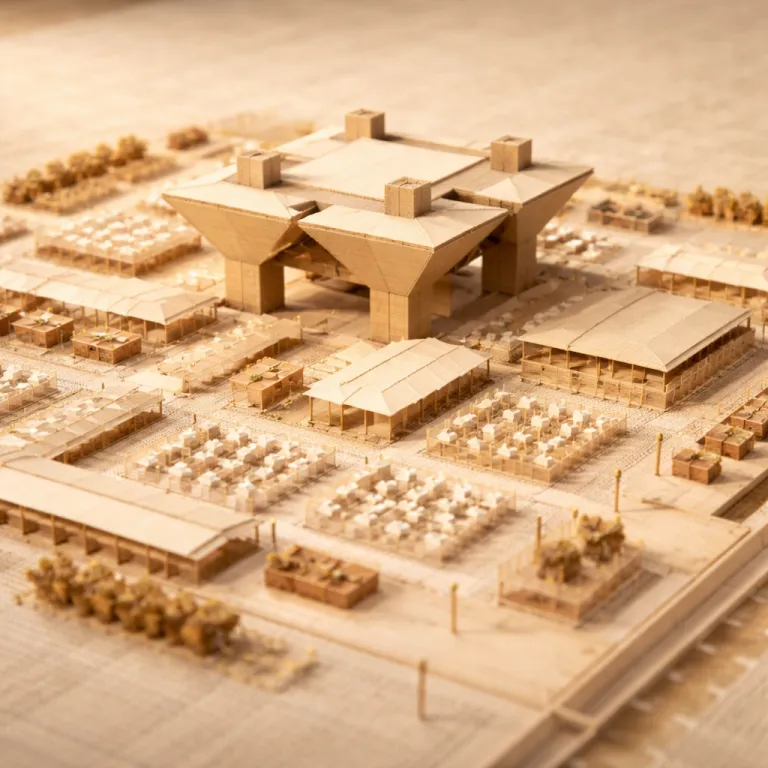
Why the 展示会 東京ビッグサイト スケジュール matters for DX and AI leaders
For CIOs and CDOs, the 展示会 東京ビッグサイト スケジュール is no longer just a neutral list of trade fairs. It has become a strategic map of where digital transformation budgets, vendor ecosystems, and international competition in Tokyo, Japan are actually moving. In Japan, Tokyo Big Sight now concentrates a critical mass of DX and AI exhibition and conference activity that directly shapes procurement roadmaps and partner selection.
Tokyo Big Sight is Japan’s largest convention and exhibition center and functions as a de facto national hub for DX related exhibitions. According to the official venue specifications published by Tokyo Big Sight, the total exhibition area is roughly 100,000 square meters across its East and West Exhibition Halls, enabling simultaneous large scale events. Across these halls, the venue hosts security expo series, development expo brands, and broader digital transformation events that attract both domestic and international exhibitors. Recent planning data from organizer announcements indicates that at least five major DX and AI related exhibitions are already scheduled in a typical fiscal year, with additional mid scale events filling remaining slots in the exhibition calendar.
For B2B technology buyers, the question is not whether to attend an expo in Tokyo, but which exhibition or conference in the 展示会 東京ビッグサイト スケジュール will actually move the needle on automation, AI, and security. A generic international exhibition with diffuse themes rarely delivers the depth needed for concrete RFP preparation. The most effective strategy is to treat each event as a portfolio component, balancing security focused exhibitions, development oriented expos, and cross industry digital transformation weeks that align with specific initiatives.
Tokyo Big Sight’s role must also be read in relation to other venues such as Makuhari Messe and Intex Osaka, which host competing DX and security expo brands. While Makuhari Messe often emphasizes international exhibition formats with strong hardware and network infrastructure presence, Intex Osaka tends to attract West Japan manufacturing and automation players. The 展示会 東京ビッグサイト スケジュール therefore needs to be evaluated against parallel expo calendars in Nagoya and Osaka to avoid redundant booth investments and to optimize national trade coverage.
Recent trends confirm that DX related exhibitions in Japan are expanding faster than traditional construction or real estate shows. Events such as DXPO Tokyo and Japan DX Week illustrate how digital transformation has moved from a side track to the main agenda in the exhibition center ecosystem. For IT leaders, this means that the 展示会 東京ビッグサイト スケジュール is now a leading indicator of where vendors will prioritize product development and where Japan’s leading solution providers will stage their launches.
Mapping DX and AI events by city: Tokyo, Osaka, Nagoya and beyond
When you compare the 展示会 東京ビッグサイト スケジュール with DX and AI events in other cities, clear regional specializations emerge. Tokyo Big Sight concentrates cross industry digital transformation exhibitions, while Nagoya and West Japan venues like Intex Osaka lean toward manufacturing automation and automotive ecosystems. For decision makers, the practical question is how to sequence visits across Tokyo, Osaka, Nagoya, and Makuhari Messe without diluting the team’s time or travel budget.
Tokyo remains Japan’s leading hub for international exhibition brands in software, cloud, and security, with Tokyo Big Sight and Tokyo International Forum forming a dual center for DX weeks. NexTech Week at Tokyo International Forum, for example, typically runs in May and October and combines AI, blockchain, and quantum themes but on a more compact scale than the largest exhibitions at Big Sight. By contrast, Intex Osaka hosts development expo series that target West Japan manufacturers, often with a stronger focus on factory automation and OT security than the Tokyo exhibitions.
Nagoya’s exhibition center portfolio is smaller, yet its trade events are tightly aligned with automotive and aerospace supply chains. For CIOs in those sectors, a Nagoya expo can yield more qualified leads per booth than a generic international event in Tokyo, despite lower visitor counts. The 展示会 東京ビッグサイト スケジュール should therefore be read alongside Nagoya and Osaka calendars, using a city by city guide or internal benchmarking to compare audience quality rather than just raw footfall.
Makuhari Messe, located east of central Tokyo, plays a complementary role to Tokyo Big Sight by hosting large scale international exhibitions in IT infrastructure, gaming, and mobility. For security expo planners, this east Tokyo–Chiba axis can be used to reach different buyer segments than those who typically attend west side events at Big Sight. The 展示会 東京ビッグサイト スケジュール must therefore be integrated into a broader Kanto region exhibition strategy that also considers Makuhari Messe’s calendar and its seasonal peaks.
Across these cities, pre registration and visitor pre qualification practices vary significantly between exhibitions. Tokyo Big Sight events often emphasize online pre registration and detailed visitor information forms, while some Nagoya and Intex Osaka shows still rely more on on site registration and paper based information request processes. For DX and AI leaders, aligning internal CRM workflows with each venue’s data capture model is as important as choosing which expo or exhibition conference to attend.
Key DX and AI exhibitions at Tokyo Big Sight in the second half
Within the 展示会 東京ビッグサイト スケジュール for the second half of the year, three clusters of DX and AI related exhibitions stand out. First are the comprehensive DX expos that bundle multiple themes such as system development, automation, and security under a single international exhibition brand. Second are specialized security expo and development expo events that go deeper into cyber security, application development, or industrial automation.
Japan DX Week at Tokyo Big Sight typically illustrates the comprehensive model, combining a DX system development expo with a manufacturing DX expo and related zones. In recent editions, it has been held around late June or early July, attracting a mix of CIOs, plant managers, and line of business leaders, and creating dense trade traffic across both East and West Halls. For exhibitors, the advantage is clear: one booth can address multiple buyer personas, but the challenge is to maintain message clarity in such a crowded exhibition center environment.
By contrast, events such as DXPO Tokyo or focused security expo brands at Big Sight tend to prioritize depth over breadth. DXPO Tokyo, for example, usually runs in August or September and concentrates on practical DX tools for sales, marketing, and back office automation. Their exhibition and conference programs feature tracks on zero trust security, AI driven threat detection, and secure cloud development, attracting more specialized security and infrastructure leaders. For buyers preparing a major security refresh, the 展示会 東京ビッグサイト スケジュール should be filtered to highlight these focused exhibitions rather than the broadest international events.
Working style reform exhibitions, such as the Work Style Reform Expo at Tokyo Big Sight, add a third dimension by linking HR technology, collaboration tools, and automation of back office processes. While not branded purely as AI expos, these exhibitions increasingly feature digital transformation case studies and automation platforms that intersect with CIO agendas. For organizations pursuing both security and productivity gains, combining a visit to a security expo with a working style exhibition in the same week can maximize the ROI of a single trip to Tokyo Big Sight.
Tokyo Big Sight also hosts mobility and infrastructure related expos where AI and automation are embedded themes rather than the headline. For example, large scale mobility exhibitions often include security sessions on connected vehicles and automation showcases for logistics, which are highly relevant to DX leaders in transportation. For those planning such visits, organizer materials explaining how to secure a free expo pass at Tokyo Big Sight can help optimize both cost and access to closed door sessions, especially when combined with early pre registration.
Visitor profiles, lead quality, and how to read numbers behind the 展示会 東京ビッグサイト スケジュール
Raw visitor numbers in the 展示会 東京ビッグサイト スケジュール often look impressive, but CIOs should focus on decision making density. A 10,000 person expo dominated by students and general visitors will generate far fewer qualified leads than a 3,000 person security expo where most attendees hold budget authority. The key is to understand how each exhibition segment curates its audience and how pre registration data is used.
Tokyo Big Sight’s larger DX and AI exhibitions typically attract a layered audience of C level executives, department heads, and technical specialists from across Japan and overseas. Organizer reports for major DX weeks often show that roughly 20–30 percent of visitors are managers or above, 40–50 percent are specialists or engineers, and the remainder are staff level or other roles. These ratios are based on visitor role breakdowns published in post show reports by leading DX exhibition organizers. International exhibition brands frequently publish detailed breakdowns of visitor roles, industries, and company sizes, which should be requested as part of any exhibiting information package. When an organizer can provide granular data on visitor pre registration profiles, you can model expected deal density per booth with much higher accuracy.
By comparison, specialized development expo or automation focused exhibitions may report lower total visitor counts but higher concentrations of engineers and product owners. For vendors selling APIs, development tools, or industrial automation platforms, these exhibitions often deliver better ROI per square meter of booth space. The 展示会 東京ビッグサイト スケジュール should therefore be cross referenced with your own CRM data to identify which past events generated the most qualified leads and the strongest retention in follow up pipelines.
Another factor is the balance between domestic and international visitors at each expo in Tokyo. Events with a strong international exhibition profile can be valuable for global branding, yet they may dilute Japan specific lead quality if your go to market strategy is primarily domestic. In such cases, pairing a large international event at Big Sight with a more focused regional expo at Intex Osaka or a Nagoya exhibition center can create a more balanced trade portfolio.
Finally, do not underestimate the impact of concurrent exhibitions sharing the same exhibition center during a given week. When a security expo runs alongside a cloud or automation show in adjacent East and West Halls, cross traffic can significantly increase booth visits from unexpected buyer segments. The most effective exhibitors design their booth and staffing strategy around this combined flow, rather than treating each exhibition in the 展示会 東京ビッグサイト スケジュール as an isolated event.
Cost ranges, booth strategy, and how to use pre registration and info requests
Exhibiting at a major DX or AI expo in Tokyo Big Sight is a significant investment, and cost discipline starts with reading the 展示会 東京ビッグサイト スケジュール against your product roadmap. Standard booth packages in large international exhibitions at Big Sight often start with basic shell schemes and scale up with custom builds, sponsorships, and conference speaking slots. For many mid sized vendors, the real question is not whether they can afford a booth, but whether they can afford a poorly targeted one.
In practice, booth costs at Tokyo Big Sight DX exhibitions typically fall into three tiers that correlate with hall location, size, and included services. Prime positions near main entrances or between East and West connector corridors command higher fees but also benefit from heavier trade traffic. Secondary zones can still perform strongly when combined with aggressive pre registration campaigns, targeted information request outreach, and precise meeting scheduling with visitor pre registrants.
Organizers of Japan’s leading DX exhibitions increasingly use digital tools to manage exhibiting information, distribute free materials, and capture detailed visitor pre registration data. Exhibitors who integrate these flows into their CRM and marketing automation systems can pre qualify leads before the event, reducing on site noise. The 展示会 東京ビッグサイト スケジュール should therefore be aligned with your internal campaign calendar, ensuring that email sequences, content releases, and sales enablement assets are ready at least one month before each expo.
For security expo and development expo events, where technical depth matters, offering pre scheduled demos and architecture reviews via online information request forms can significantly increase meeting quality. Many successful exhibitors now treat their booth less as a walk in space and more as a semi private meeting center embedded in the exhibition hall. This approach is particularly effective when multiple related exhibitions run in the same week at Big Sight, allowing you to consolidate meetings from different buyer segments into a single, well staffed booth.
To operationalize this, use a simple pre registration and CRM checklist: define target personas and job titles; create a dedicated campaign code for each exhibition; sync organizer registration fields with your CRM; set up automated confirmation and pre meeting emails; and prepare on site scanning rules so that every badge scan is tagged with session interest and product line. Booth numbers do not equal value; choose based on expected deal density, not just floor space.
Designing a multi venue DX calendar: from Tokyo Big Sight to Makuhari Messe and Intex Osaka
For enterprise DX leaders, the 展示会 東京ビッグサイト スケジュール is only one layer of a national event strategy that should also include Makuhari Messe, Intex Osaka, and selected Nagoya exhibitions. The goal is to build a coherent annual calendar where each expo serves a distinct role in lead generation, partner scouting, or technology benchmarking. Without this structure, it is easy to overspend on overlapping international exhibitions that chase the same audience.
One effective model is to treat Tokyo Big Sight as the central hub for cross industry digital transformation and security, while using Makuhari Messe for infrastructure heavy or mobility focused exhibitions and Intex Osaka for West Japan manufacturing and automation. In this model, a CIO might prioritize a major security expo and a comprehensive DX week at Big Sight, then add a focused automation event at Intex Osaka and a mobility or infrastructure show at Makuhari Messe. The calendar can be further enriched by selective participation in Nagoya exhibitions that align with automotive or aerospace supply chains.
When planning such a multi venue strategy, pay close attention to how weeks and months cluster across the different exhibition center schedules. For example, some years see a concentration of DX and AI exhibitions in April and October, creating both opportunities and risks for resource allocation. Aligning internal release cycles, budget approvals, and travel plans with these peaks can significantly improve ROI, especially when combined with targeted visitor pre engagement and structured information request campaigns.
International comparisons can also be instructive, particularly for infrastructure and mobility related DX. Analyses of how highway engineering and mobility expos are reshaping B2B exchanges highlight how exhibition and conference formats are evolving. Tokyo Big Sight and other Japanese venues are gradually adopting similar models, with more curated matchmaking, themed weeks, and data driven exhibitor services that reward precise targeting.
Ultimately, the 展示会 東京ビッグサイト スケジュール should be treated as a living instrument that reflects shifts in Japan’s DX priorities. As DX related exhibitions continue to increase, with events like JAPAN BUILD TOKYO and DXPO Tokyo expanding their digital transformation content, the competitive bar for both exhibitors and visitors will rise. The organizations that win will be those that treat expo participation as a strategic program, not a series of isolated events.
Key statistics on Tokyo Big Sight DX and AI exhibitions
- Tokyo Big Sight is one of Japan’s largest exhibition venues, offering around 100,000 square meters of exhibition area according to its official specifications, which enables simultaneous hosting of multiple DX and AI exhibitions.
- Across a typical planning horizon, at least five major DX and AI related exhibitions are scheduled at Tokyo Big Sight, indicating sustained demand from both domestic and international exhibitors in digital transformation and related fields.
- Case studies from JAPAN BUILD TOKYO report that visitor numbers can increase by roughly 20 percent year on year, with the number of business meetings also rising significantly, underscoring how well curated exhibitions can deepen business engagement.
- NexTech Week at Tokyo International Forum reports on the order of 100 exhibiting companies and approximately 10,000 visitors per edition, based on organizer summaries, providing a useful benchmark for mid scale AI and automation events compared with larger Tokyo Big Sight exhibitions.
- DX related exhibitions such as DXPO Tokyo have been increasing in number since the early 2020s, reflecting the acceleration of corporate DX initiatives and reinforcing the strategic importance of the 展示会 東京ビッグサイト スケジュール for technology buyers.
FAQ: 展示会 東京ビッグサイト スケジュール for DX and AI leaders
How should CIOs prioritize events in the 展示会 東京ビッグサイト スケジュール?
Start by mapping each expo to a concrete initiative such as security modernization, automation of a specific process, or evaluation of AI platforms. Then prioritize exhibitions where visitor profiles match your target stakeholders and where conference programs align with your roadmap. Events that do not clearly support a defined initiative should be downgraded or visited only as a half day scouting trip.
What is the main difference between comprehensive DX weeks and specialized expos?
Comprehensive DX weeks at Tokyo Big Sight aggregate multiple themes such as system development, manufacturing DX, and security into one large international exhibition. They are ideal for broad market scanning and cross functional team visits but can be noisy for deep technical evaluation. Specialized security expo or development expo events offer narrower scope but higher concentration of relevant experts and decision makers.
How can exhibitors estimate lead volume and quality before committing to a booth?
Request detailed historical data from organizers, including visitor roles, industries, and company sizes, not just total headcount. Compare these figures with your past performance at similar exhibitions and adjust for booth location, concurrent events in the exhibition center, and planned pre registration campaigns. A realistic model should estimate both total leads and expected qualified opportunities based on prior conversion rates.
What role do Makuhari Messe and Intex Osaka play relative to Tokyo Big Sight?
Makuhari Messe complements Tokyo Big Sight with large scale infrastructure, mobility, and entertainment related exhibitions that often attract different buyer segments. Intex Osaka serves as a key hub for West Japan manufacturing, automation, and regional trade, making it important for companies targeting Kansai based customers. A balanced DX calendar usually combines at least one major Tokyo Big Sight expo with selected events at Makuhari Messe and Intex Osaka.
How early should visitors and exhibitors complete pre registration for major DX events?
For large DX and AI exhibitions at Tokyo Big Sight, completing visitor pre registration at least four to six weeks in advance is advisable. Exhibitors should finalize booth contracts and submit exhibiting information even earlier to secure favorable locations and to launch targeted outreach based on pre registration data. Late registration reduces access to conference sessions, meeting slots, and sometimes early bird pricing on booth packages.