B2B manufacturing innovation as a catalyst in Japanese business events
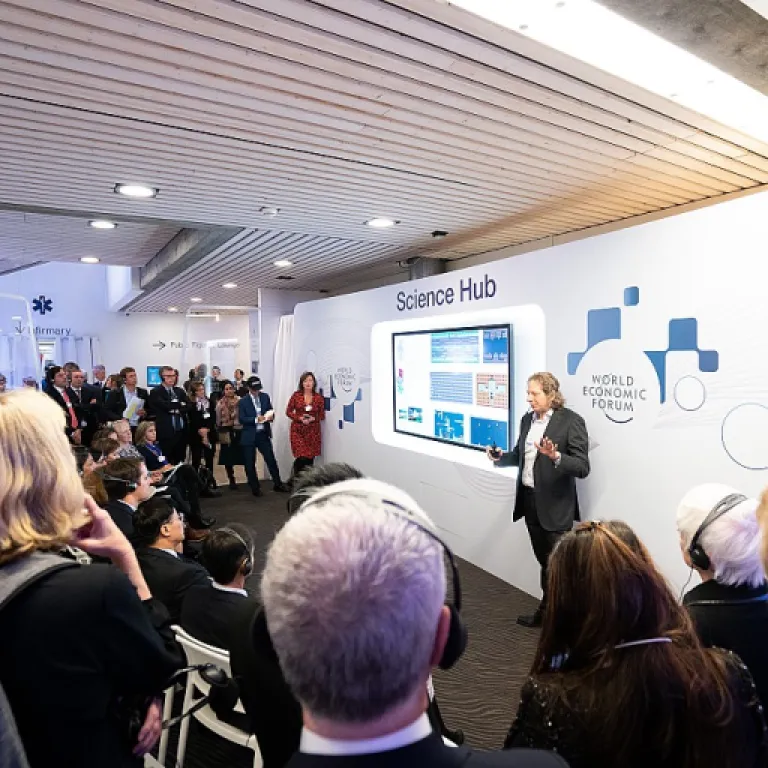
B2B manufacturing innovation is quietly reshaping how Japanese manufacturers engage at business events. In exhibition halls from Tokyo to Nagoya, manufacturing companies now frame every conversation around customer value, operational efficiency, and digital transformation. This shift is redefining the balance between product demonstrations, service presentations, and strategic discussions about the future manufacturing sector.
For Japanese companies, trade fairs and conferences have become live laboratories for testing new business model ideas and model innovation scenarios. Decision makers from global manufacturers arrive with clear pain points, asking how innovation product portfolios can align with their supply chain constraints and marketing strategies. As a result, exhibitors increasingly combine physical products with digital content, data driven dashboards, and service innovation showcases that highlight measurable business outcomes.
Marketing teams in the manufacturing sector now treat events as integrated marketing campaigns rather than isolated sales opportunities. They design manufacturing marketing programs that connect pre event digital channels, on site experiences, and post event marketing efforts into a single customer journey. This approach allows companies to collect high quality data on customers, refine marketing strategy in real time, and feed insights back into product development and service design.
In Japan, where long term relationships and trust dominate B2B business, events also function as strategic decision making arenas. Senior decision makers use them to compare competitive solutions, evaluate potential partners, and benchmark operational efficiency practices across industries. B2B manufacturing innovation therefore no longer sits only on factory floors ; it now shapes how companies orchestrate every interaction with customers, from first contact to after sales service.
How Japanese manufacturers turn events into innovation platforms
Japanese manufacturers increasingly treat business events as extensions of their factories, where manufacturing innovation is staged in real time. Booths now feature live dashboards connected to ERP systems, IIoT platforms, and digital twins that simulate production scenarios for visitors. This integration helps decision makers understand how specific products and services can improve operational efficiency, reduce downtime, and stabilize the supply chain.
Manufacturing companies also use events to test new business model concepts, such as subscription based service innovation or outcome based contracts. Sales teams present innovation product bundles that combine hardware, software, and service into unified solutions tailored to customer pain points. These offers are supported by detailed content and data, enabling customers to compare competitive options and estimate potential ROI with greater confidence.
Marketing strategies around Japanese trade fairs now emphasize cross functional collaboration between engineering, marketing, and service departments. Manufacturing marketing specialists coordinate with technical experts to translate complex manufacturing capabilities into clear business value propositions. This alignment strengthens marketing campaigns, ensures consistent messaging across digital and physical channels, and generates more qualified leads for follow up.
Events focused on procurement and logistics, such as specialized supply chain conferences, have become particularly important for Japanese companies. Exhibitors targeting procurement leaders design tailored sessions on supply chain resilience, ERP systems integration, and high quality supplier collaboration, often referencing insights about procurement and supply chain managers in Japanese B2B business events. In these settings, manufacturing sector players can position their products and services as strategic levers for risk mitigation, sustainability, and long term competitiveness.
Digital transformation and data driven decision making at Japanese trade fairs
Digital transformation has turned Japanese business events into dense data ecosystems for manufacturing companies. Every interaction, from badge scans to live demos, now feeds structured data into CRM and ERP systems that support faster decision making. Marketing teams analyze this information to refine marketing strategy, prioritize sales follow up, and identify customers with the highest potential for long term partnerships.
For manufacturers, the integration of AI, cloud analytics, and IIoT platforms showcased at events mirrors broader trends in smart manufacturing. Many manufacturers investing in AI for smart manufacturing plans use trade fairs to present predictive maintenance dashboards, quality analytics, and digital twins that simulate production lines. These demonstrations help customers understand how data driven solutions can enhance operational efficiency and reduce risk across the supply chain.
Event organizers in Japan increasingly curate conference programs around themes such as digital transformation, manufacturing marketing, and service innovation. Sessions highlight how manufacturing sector leaders use marketing efforts, content strategies, and innovation product roadmaps to support new business model designs. Dedicated tracks on supply chain events, often inspired by initiatives like supply chain events connecting industry leaders and driving innovation in Japan, attract decision makers seeking practical solutions.
For attendees, the value of these events lies in actionable insights and peer benchmarks rather than generic product pitches. Decision makers compare how different companies deploy ERP systems, manage marketing campaigns, and structure service innovation offerings to support customers. This environment rewards manufacturers that present clear data, transparent performance metrics, and high quality case studies linking digital solutions to measurable business outcomes.
Customer centric manufacturing marketing in the Japanese context
Customer centricity has become a defining feature of B2B manufacturing innovation in Japan’s event landscape. Manufacturers now design their booths, presentations, and private meetings around specific customer segments, industries, and use cases. This shift moves the conversation from generic product features toward tailored solutions that address concrete pain points in the manufacturing sector.
Marketing strategies increasingly rely on detailed customer insights gathered before, during, and after events. Companies analyze data from previous marketing campaigns, website content, and digital engagement to anticipate what customers will seek at upcoming trade fairs. During the event, sales and marketing teams capture additional data on interests, objections, and decision making timelines, feeding it back into ERP systems and CRM platforms.
Japanese manufacturing companies also use events to test new content formats that bridge technical and business audiences. Short technical sessions, interactive demos, and executive roundtables allow decision makers to explore innovation product portfolios from multiple angles. Marketing efforts emphasize high quality educational materials that explain how specific products and services improve operational efficiency, support digital transformation, and strengthen competitive positioning.
In this context, the role of marketing strategy extends beyond lead generation to long term relationship building. Companies position their service innovation capabilities, such as remote monitoring or performance based maintenance, as ongoing partnerships rather than one time transactions. This approach resonates strongly with Japanese customers, who value reliability, transparency, and continuity in their business relationships across the entire supply chain.
Aligning sales, service, and product development through Japanese events
Business events in Japan now function as alignment engines between sales, service, and product development teams in manufacturing companies. Sales representatives collect structured feedback from customers about existing products, desired features, and unmet service needs. This information flows back to product development teams, who use it to refine innovation product roadmaps and prioritize model innovation initiatives.
Service departments also play a more visible role at trade fairs and conferences. They present service innovation offerings such as predictive maintenance, remote diagnostics, and performance guarantees that complement physical products. By showcasing these services alongside hardware, manufacturers demonstrate how integrated solutions can enhance operational efficiency and reduce total cost of ownership for customers.
Marketing teams orchestrate this cross functional collaboration by designing unified narratives that connect product, service, and business model elements. They ensure that content, data, and messaging remain consistent across digital channels, event presentations, and follow up communications. This integrated approach strengthens marketing campaigns, supports more accurate decision making by customers, and increases the likelihood of high quality, long term contracts.
In Japan, where consensus driven decision making is common, events also help align internal stakeholders on the customer side. Decision makers from engineering, procurement, and management can jointly evaluate competitive solutions in one place. This dynamic reinforces the importance of well prepared sales teams, robust ERP systems integration, and clear explanations of how proposed solutions fit into the customer’s broader digital transformation journey.
Strategic implications for global companies targeting Japanese manufacturing events
Global companies entering Japanese business events must adapt their B2B manufacturing innovation narratives to local expectations. Japanese customers expect high quality technical detail, transparent performance data, and clear explanations of how solutions integrate with existing ERP systems and supply chain processes. Vendors that rely solely on generic marketing content or superficial digital transformation slogans risk being sidelined by more prepared competitors.
Successful foreign manufacturers invest in localized marketing strategies that respect Japanese business culture and decision making norms. They train sales teams to engage multiple decision makers, from engineers to executives, and to address specific pain points with concrete examples. Many also study analyses such as the influence of IT, digital, and DX leaders in Japanese B2B decision making to refine their approach.
From a strategic perspective, Japanese events offer a unique window into how the manufacturing sector is evolving globally. Exhibitors can benchmark their manufacturing marketing practices, service innovation portfolios, and innovation product pipelines against leading Japanese manufacturers. They can also observe how companies use digital tools, data analytics, and model innovation to respond to competitive pressures and shifting market demands.
For global companies, the key is to treat Japanese events not only as sales opportunities but as strategic learning platforms. By carefully analyzing customer feedback, competitor positioning, and emerging themes around digital transformation, they can refine their own business model designs. Over time, this disciplined approach to events can significantly enhance their global marketing efforts, product development priorities, and overall competitiveness in B2B manufacturing innovation.
Key statistics shaping B2B manufacturing innovation in events
- 95 % of manufacturers are investing in AI as part of their smart manufacturing plans, which increasingly feature in Japanese trade fair demonstrations.
- 57 % of manufacturers already use cloud computing and data analytics, enabling richer data driven presentations and dashboards at business events.
- 46 % of manufacturers have adopted Industrial IoT solutions, often showcased through live connected equipment and remote monitoring demos.
- 37 % of manufacturers have implemented robotics and automation, turning event booths into miniature production cells for visitors.
- 19 % of manufacturers have integrated AI and machine learning technologies, supporting predictive maintenance and quality analytics case studies on stage.
Frequently asked questions about B2B manufacturing innovation in Japan
How is B2B manufacturing innovation changing the format of Japanese trade fairs ?
B2B manufacturing innovation is pushing Japanese trade fairs toward more interactive, data rich formats. Exhibitors combine physical products with digital twins, dashboards, and service innovation showcases to demonstrate end to end value. This evolution makes events more relevant for decision makers seeking concrete operational and strategic insights.
Why is digital transformation so prominent in Japanese manufacturing events ?
Digital transformation dominates Japanese manufacturing events because it directly affects competitiveness, cost structures, and supply chain resilience. Manufacturers use events to present AI, IIoT, and ERP systems integrations that support smarter factories and better customer experiences. Attendees view these demonstrations as practical roadmaps for their own modernization efforts.
What role do decision makers play during B2B events in Japan ?
Decision makers attend Japanese B2B events to validate strategies, compare suppliers, and accelerate internal consensus. They expect high quality technical information, transparent performance data, and clear explanations of business model implications. Exhibitors that address these needs effectively often move faster toward serious negotiations and long term partnerships.
How can global companies adapt their marketing strategies for Japanese manufacturing events ?
Global companies should localize their marketing strategies by emphasizing technical depth, reliability, and long term service commitments. They must align sales, marketing, and engineering teams to address Japanese customers’ specific pain points and decision making processes. Investing in culturally aware communication and detailed case studies significantly improves their impact at events.
Why are supply chain themes increasingly visible at Japanese manufacturing conferences ?
Supply chain themes have gained prominence because disruptions, sustainability pressures, and cost volatility affect every manufacturing company. Japanese conferences highlight solutions that improve visibility, resilience, and collaboration across global networks. Manufacturers use these platforms to position their products, services, and digital tools as critical components of modern supply chain strategies.
Sources : Shopify, Krein, Delvens.